Taylor Washington · 16 September 2026
Oak Sawdust Research Opens Doors to Innovative Biodegradable Packaging
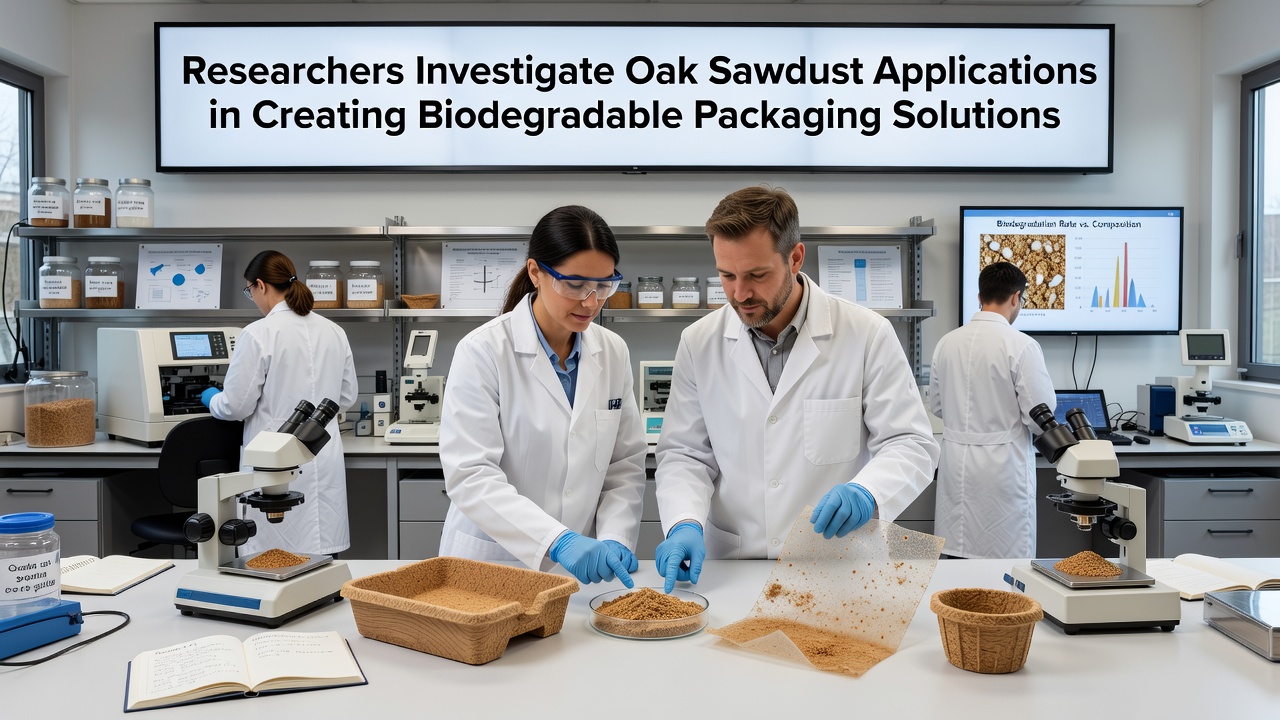
Researchers across multiple institutions have turned their attention to oak sawdust as a viable raw material for biodegradable packaging solutions, driven by the need to reduce plastic waste and utilize wood processing byproducts more effectively. Oak sawdust, generated in significant volumes during lumber milling and furniture production, contains cellulose and lignin that lend themselves to composite materials capable of breaking down in natural environments. Studies conducted in recent years have tested combinations of this sawdust with biopolymers such as polylactic acid and starch-based binders, creating sheets and molded forms that maintain structural integrity during use yet degrade within months under composting conditions.
Material Properties and Processing Techniques
Processing begins with collection and drying of the sawdust to control moisture content, followed by grinding to uniform particle sizes that ensure even distribution when blended with binding agents. Researchers have applied extrusion and compression molding methods to form packaging prototypes including trays, clamshell containers, and cushioning inserts. Data from mechanical testing shows these composites achieve tensile strengths comparable to certain conventional plastics while offering improved oxygen barrier properties in some formulations. In September 2026, a collaborative project involving Canadian and Australian laboratories released results indicating degradation rates exceeding 85 percent within 90 days in industrial composting facilities, according to measurements tracked through standardized ASTM protocols.
Environmental Impact Assessments
Life cycle analyses performed by teams at European research centers compare oak sawdust packaging against petroleum-derived alternatives and reveal lower greenhouse gas emissions during production, primarily because the feedstock originates as a waste stream rather than requiring dedicated agricultural cultivation. The material avoids the land use conflicts associated with some plant-based plastics, since oak sawdust comes from existing forestry operations. One study from the United States Department of Agriculture tracked carbon sequestration benefits when sawdust composites return nutrients to soil upon breakdown, supporting microbial activity without leaving microplastic residues.
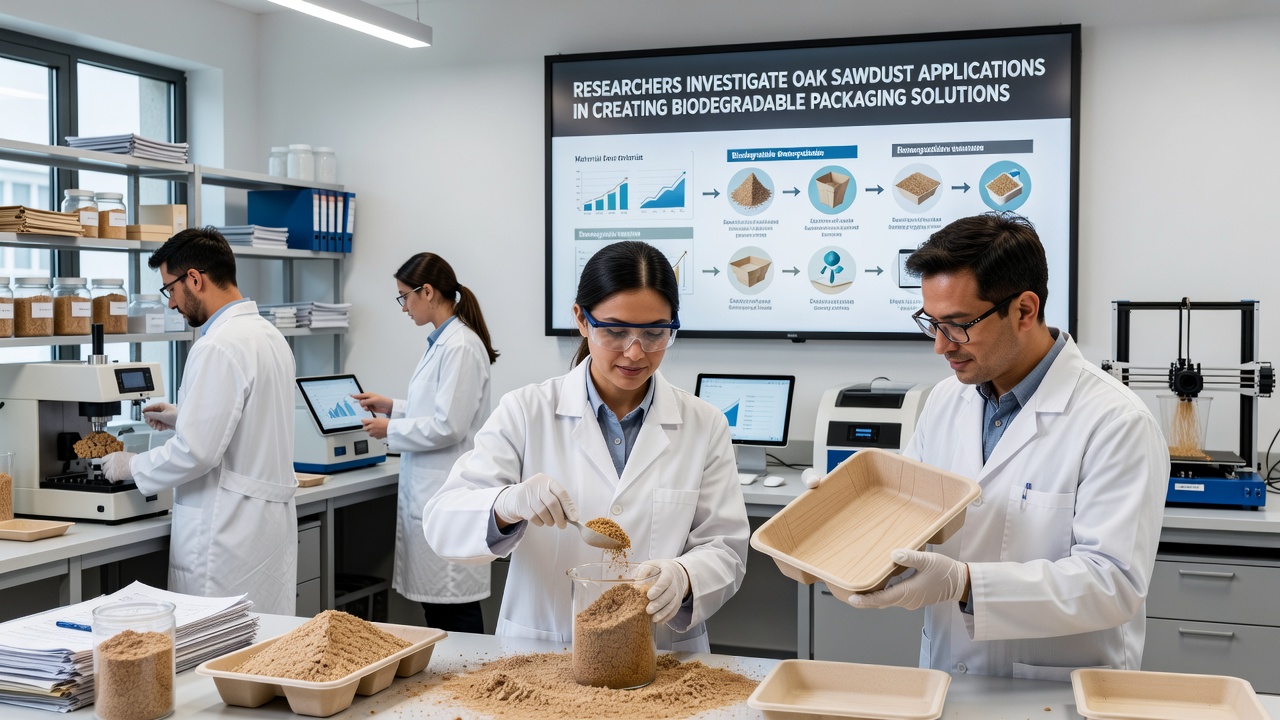
What's interesting is how regional forestry industries have begun supplying consistent sawdust streams to packaging manufacturers, creating closed-loop systems that reduce transportation distances. Government data from the Australian Department of Agriculture, Fisheries and Forestry documents increased collection efficiency at sawmills, where dust previously sent to landfills now feeds pilot production lines. Similar initiatives in the European Union have received support through circular economy directives that prioritize byproduct valorization.
Applications and Industry Adoption
Food service companies have tested the composites for produce containers and bakery trays, noting that the natural tannins in oak provide mild antimicrobial effects that extend shelf life for certain perishables. Electronics firms have explored the material for protective inserts, where its cushioning properties reduce damage during shipping without the need for foam additives. Researchers continue refining surface treatments to enhance water resistance, since untreated versions absorb moisture more readily than synthetic options. Trials reported in 2025 demonstrated that adding small percentages of natural waxes improved performance while preserving full biodegradability.
Future Research Directions
Current work focuses on scaling production methods and standardizing quality across different oak species, as variations in lignin content affect final material characteristics. International conferences scheduled for late 2026 aim to align testing methodologies between North American and Asian laboratories to facilitate broader regulatory acceptance. Observers note that supply chain integration remains the next hurdle, requiring coordination between sawmills, material processors, and end users to maintain steady feedstock volumes.
Conclusion
The investigation into oak sawdust applications continues to yield practical insights that connect forestry byproducts with packaging needs. As more datasets accumulate from ongoing trials, industry participants gain clearer pathways for incorporating these composites into commercial supply chains while meeting environmental performance standards set by regulatory bodies in multiple countries.